Happy Clean Gives 6 Expert Tips For Hardwood Floor Cleaning in Dublin
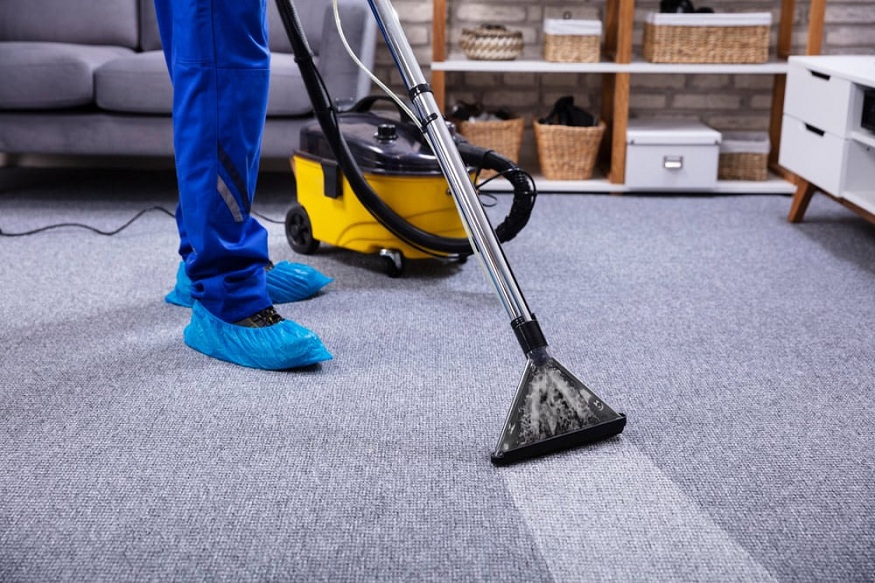
Hardwood floors look stunning—warm, classic, and instantly uplifting—but keeping them that way takes a bit of know-how. Happy Clean, a well-known cleaning company trusted by many homeowners in Dublin, shares practical hardwood floor cleaning tips that genuinely make a difference. When you maintain wood floors properly, they can last decades without losing their shine. But when you use the wrong cleaner or ignore tiny scratches, damage adds up faster than you’d think.
Hardwood Floor Cleaning in Dublin Tip 1: Regular Dusting and Vacuuming Prevents Damage
Keeping hardwood floors clean starts with something super simple: getting rid of dust and grit before they grind into the wood. Tiny particles might look harmless, but under your shoes—or even just from daily walking—they work like fine sandpaper. Over time, this creates dull spots, micro-scratches, and worn-down patches that are expensive to fix. Regular dusting and vacuuming may sound basic, but pros like Happy Clean Dublin swear it’s the number-one habit that keeps floors looking new for years.
Daily dusting with a microfiber mop helps trap dirt instead of pushing it around. Microfiber grabs onto dust like a magnet, so you’re not sending debris flying into the air. A gentle vacuum (especially one with a hardwood setting or a soft roller) is perfect a few times a week to catch what dusting leaves behind. The key is avoiding vacuums with beater bars—those rotating brushes that can scratch the wood if they hit the surface too hard.
Think of this step as everyday prevention. It only takes a few minutes, but it saves your floors from slow, invisible damage that adds up quickly. The cleaner the surface stays, the longer your finish—and the wood beneath—will stay healthy and beautiful.
Why Daily Dusting Matters
Daily dusting might feel like overkill, but hardwood floors collect debris faster than most people realize. Between shoe dirt, pet fur, crumbs, skin flakes, and everyday dust, a lot piles up in just 24 hours. When you walk over that buildup, your floor takes the hit. Dusting removes this layer before it has a chance to scratch or dull the finish, and it keeps the surface smooth so other cleaning steps become easier. It also helps reduce allergens, making the room feel fresher and lighter. A quick once-over with a microfiber mop really does make a difference in how long your hardwood shines.
Choosing the Right Vacuum or Dust-Mop Tool
Not all cleaning tools are hardwood-friendly. A good dust mop should have a soft microfiber pad that grabs debris without leaving streaks. When it comes to vacuums, choose one designed for hard floors—preferably with a soft brush roll or a switch that turns off the beater bar. Canister vacuums are often gentler, but cordless stick vacuums with padded wheels work great too. Avoid metal attachments at all costs; they can leave gouges in seconds. A proper tool protects your investment and makes cleaning quicker and safer for the wood.
Expert Hardwood Floor Cleaning Tip 2: Use the Right Cleaner — and Avoid the Wrong Ones
Hardwood floors are a bit picky when it comes to cleaners. Use the right one, and your floors stay glossy, hydrated, and smooth. Use the wrong one, and you’re looking at cloudy residue, streaks, or even damage to the protective finish. Happy Clean Dublin always stresses that hardwood floors aren’t like tile or laminate—they need gentle, pH-balanced products that clean without stripping away the finish. A good cleaner should lift dirt while leaving the protective layer intact, helping the wood stay strong and vibrant over time.
A big mistake people make is grabbing whatever multi-surface spray is under the sink. Many of these contain harsh chemicals, oils, or ingredients that leave film behind. Even natural DIY mixes can be risky. Vinegar, for example, is popular online but too acidic for hardwood; it slowly eats away at the finish. The goal is to clean the floor, not weaken the coating that protects it. By choosing the right cleaning solution, you’re basically giving your floor a long, healthy life without expensive refinishing.
What Kinds of Cleaners Are Safe for Hardwood Floors
Safe hardwood cleaners are typically pH-neutral and specifically labeled for wood flooring. These solutions lift dirt without leaving sticky residue or damaging the polyurethane finish. Water-based formulas are ideal because they dry quickly, reducing the risk of moisture soaking into the boards. Look for cleaners free from waxes, oils, and abrasives. A small spray applied directly to a microfiber mop is usually enough—no need to soak the floor. These gentle cleaners keep the shine bright while protecting the wood underneath, making every cleaning session feel like a mini refresh.
Which Substances to Avoid and Why
Some products might smell great or leave floors looking shiny at first, but they can create long-term issues you’ll regret later. Vinegar, ammonia, and other acidic cleaners slowly erode the finish. Oil soaps leave a slippery film that attracts dust and makes future recoating difficult. Steam mops push moisture and heat deep into the wood, causing warping or peeling over time. Even “shiny” floor polishes can trap dirt and create uneven buildup. Avoiding these products keeps your hardwood floor safe from hidden damage and saves you from costly repairs down the road.
Hardwood Floor Cleaning Tip 3: Keep Water to a Minimum — Wood and Moisture Don’t Mix
If there’s one rule that hardwood floors live by, it’s this: water is not your friend. Even though wood looks tough, it reacts quickly when moisture sits on the surface for too long. Happy Clean Dublin emphasises that too much water can cause boards to swell, warp, or cup. Sometimes the damage shows up right away, but often it happens slowly, creeping under the finish until the wood starts changing shape. That’s why “less is more” is the golden rule when it comes to cleaning hardwood.
A lot of people assume that a wet mop means a cleaner floor, but hardwood works differently. Water can seep into small cracks, gaps, or worn areas in the finish, weakening the wood from the inside out. Instead of soaking the area, a light mist paired with a soft microfiber mop gives you all the cleaning power you need—with none of the risk. It’s a simple shift in routine, but it can prevent the kind of long-term damage that requires sanding or replacing boards. Think of your hardwood like a sponge that hates being wet—quick cleaning is fine, but never let the floor stay damp longer than a minute or two.
The Dangers of Too Much Water on Hardwood
When moisture sits on hardwood floors, the wood absorbs it like a thirsty sponge. This leads to swelling, warping, discolouration, and sometimes even mould under the boards. You might start noticing raised edges, ripples, or areas that feel uneven when you walk. Even tiny puddles from plant watering, pet bowls, or wet shoes can cause trouble if they aren’t wiped up fast. Over time, water breaks down the protective finish, making the surface dull and more vulnerable to scratches. Keeping water exposure low is the easiest way to protect the natural beauty of your floors.
Best Practice: Damp-Mopping Rather Than Soaking
Damp-mopping gives you the perfect balance between cleaning power and safety. Instead of drenching the mop, lightly spray your cleaner onto the pad or the floor in small sections. The mop should glide smoothly, leaving behind only a faint, fast-drying mist. If you see streaks of water or hear the mop “squish,” it’s too wet. Always wring out cloth pads thoroughly and rinse them often to avoid pushing dirty water around. This gentle approach keeps your floors clean without risking moisture damage—and it’s the technique professional cleaners rely on every day.
Expert Hardwood Floor Cleaning Tip 4 by Happy Clean: Protect High-Traffic Areas & Entry Points
Hardwood floors naturally take more of a beating in busy areas—hallways, entrances, living rooms, and spots where people tend to stand or turn frequently. Happy Clean Dublin often sees the same pattern: floors look great around the edges of a room, but dull and scratched in the middle. That’s because high-traffic areas collect more dirt, experience more friction, and get more exposure to shoes, pets, and everyday activity. The good news? With a few simple protective steps, you can slow down wear and keep these areas looking fresh for years.
Adding protection doesn’t have to be complicated. A good rug or mat can act like a shield, catching dirt before it meets your floor. Felt pads on furniture legs prevent accidental scratches when chairs or tables slide. Even establishing a no-shoes rule can add years to your floor’s finish. Hardwood is durable, but it still benefits from a little extra help. By treating your busiest areas with more care, you’re preventing the kind of damage that builds up over time and costs a lot to fix later. Think of it as putting armour on the parts of your home that work the hardest.
Using Mats, Rugs, and Furniture-Leg Pads
Mats and rugs are simple tools that make a huge difference. A sturdy doormat at every entrance catches dirt, grit, and tiny stones before they ever touch your hardwood. Area rugs soften high-traffic zones and protect the finish from continuous foot pressure. Just make sure the rugs have non-slip pads that won’t leave rubber marks. Furniture-leg pads—especially felt ones—are absolute lifesavers. They prevent deep scratches when chairs slide or tables shift. These small additions keep your floors looking smooth and help your finish last a whole lot longer.
How Shoes, Pets, and Grit Can Shorten Your Floor’s Life
Shoes carry everything from gravel to road salt—tiny particles that scratch hardwood like sandpaper. High heels are even worse; their pressure is strong enough to dent the wood. Pets can also cause damage, especially if their nails aren’t trimmed regularly. Add grit from outside, and suddenly your floors are dealing with hundreds of tiny impacts every day. Over time, these small marks add up, making the surface look dull and aged. Controlling shoes indoors, cleaning paws, and sweeping dirt quickly keep your hardwood safer and reduce long-term wear dramatically.
Expert Hardwood Floor Cleaning Tip 5: Deal with Spills, Stains and Scratches Quickly
Hardwood floors may look tough, but they react fast when something spills or scratches the surface. Happy Clean Dublin stresses that quick action is the key to preventing long-term damage. Liquids can seep into cracks or worn areas, causing stains or even warping if left too long. Scratches, even the small ones, can break the protective finish and expose the wood underneath, making it more vulnerable to moisture and dirt. Handling these issues right away is one of the smartest habits you can build to keep your floors looking fresh and polished.
The trick is to be prepared. Keep a microfiber cloth or towel nearby for sudden spills, and don’t wait for things to “dry on their own.” The faster you lift moisture, the less chance it has to penetrate the finish. For scratches, addressing them early means you can often fix them without professional help. The longer you leave them, the deeper they appear and the harder they are to repair. Acting quickly isn’t just about looks—it’s about protecting your investment and preventing small mishaps from becoming expensive headaches.
Immediate Response to Spills
When something spills, speed matters. Hardwood floors don’t like sitting water, even for a couple of minutes. Grab a soft microfiber cloth and blot (don’t rub) the spill until it’s completely dry. For sticky messes, use a small amount of hardwood-safe cleaner sprayed on the cloth—not directly on the floor—to lift residue without oversaturating the wood. Be especially careful with liquids like juice, wine, or pet accidents, since they can stain or seep into cracks faster than you think. Keeping the area dry is the best defence against swelling, discolouration, and long-term moisture damage.
Simple Scratch Fixes and When to Call in a Pro
Light scratches can often be fixed at home with simple tools. A hardwood touch-up marker that matches your floor colour can disguise small marks in seconds. For slightly deeper scratches, a wood filler stick or a gentle buffing pad may help smooth out the spot. But if you see long, deep scratches where the raw wood is exposed, it’s best to call a professional. Happy Clean recommends expert help when scratches spread across a large area or when the finish is clearly damaged. Fixing it early keeps small marks from turning into major repairs later.
Hardwood Floor Cleaning Tip 6: Maintain Good Indoor Climate & Routine Upkeep
Hardwood floors are more sensitive to indoor climate than most people realise. Wood naturally expands and contracts depending on the temperature and humidity in your home. When these levels fluctuate too much, your floors can develop gaps, cracks, cupping, or even warped boards. Happy Clean Dublin often sees this type of damage in homes where humidity swings from very dry in winter to extra humid in summer. Maintaining a steady indoor environment doesn’t just make your home feel more comfortable—it keeps your hardwood stable, smooth, and long-lasting.
Routine upkeep is the second big piece of the puzzle. Hardwood thrives when it’s cared for consistently, not just when it “looks dirty.” Light, regular cleaning prevents buildup that can dull the finish over time. On top of that, checking high-traffic areas, corners, and spill-prone spots helps you catch issues before they turn into real damage. You don’t need a complicated routine—just a few easy habits done weekly or monthly. When your indoor climate is steady and your cleaning routine is simple and consistent, your hardwood floors stay beautiful with very little effort.
Why Humidity and Temperature Matter for Wood
Wood behaves like a living material, even after it’s been installed. In dry air, hardwood boards shrink and may form tiny gaps. In humid air, they swell and can push against each other, causing cupping or raised edges. Ideally, indoor humidity should stay between 35% and 55% all year. Using a humidifier in winter and a dehumidifier in summer can help keep things stable. Temperature also affects wood movement—extreme heat or cold accelerates expansion and contraction. A consistent indoor climate acts like a safety net that protects the natural structure of your floors.
Establishing a Routine Cleaning Schedule
A predictable cleaning routine is one of the easiest ways to extend the life of your hardwood floors. A quick daily dusting clears away grit before it can cause scratches. Vacuuming a couple of times a week helps keep dirt from settling in seams or corners. Damp-mopping once a week with a wood-safe cleaner keeps the finish bright without stressing the wood with excess moisture. Monthly checks for scratches, loose boards, or dull patches help you catch problems early. When cleaning becomes a habit, your floors stay cleaner, stronger, and more impressive year after year.
Infographic: Quick Reference Cheat-Sheet for Hardwood Floor Care given by Happy Clean
Here’s an easy, at-a-glance guide inspired by Happy Clean Dublin’s best hardwood floor cleaning advice. Think of it as your pocket roadmap for keeping your floors shiny, smooth, and protected with minimal effort.
Hardwood Floor Care Cheat-Sheet
Daily Basics
- Light dusting with a microfiber mop
- Keep entry mats clean to reduce grit
- Wipe spills the moment they happen
Weekly Cleaning
- Vacuum with a soft-roller or hardwood-safe setting
- Damp-mop using a pH-neutral, wood-approved cleaner
- Refresh high-traffic rugs and check furniture pads
Avoid These Common Mistakes
- No vinegar, ammonia, or steam mops
- Avoid soaking the floor while cleaning
- Skip oil soaps and wax-based sprays
Scratch & Spill Protection
- Trim pet nails regularly
- Use felt pads on furniture legs
- Place mats near sinks, pet bowls, and doors
️ Indoor Climate Essentials
- Keep humidity between 35%–55%
- Use humidifiers in winter and dehumidifiers in summer
- Maintain steady indoor temperatures year-round
️ Quick Fix Tips
- Touch-up markers for small scratches
- Wood filler for slightly deeper marks
- Call a pro for wide or deep scratches that reach bare wood
Conclusion
Hardwood floors bring warmth, character, and timeless beauty into a home—but they need the right care to stay that way. The tips shared by Happy Clean all come down to simple habits that protect your floors from everyday damage. From dusting regularly and choosing the right cleaners to controlling indoor humidity and acting fast on spills or scratches, each small step adds up to years of extra life for your floors. Hardwood might be sensitive, but it rewards consistency.
Understanding how wood reacts to moisture, dirt, and daily wear makes it easy to prevent problems before they start. A good floor cleaning routine, protective mats, and mindful product choices keep the finish strong and the surface smooth. Whether your floors are brand new or decades old, giving them just a little attention makes a huge difference. With these professional-level tips in your back pocket, your hardwood floors will stay bright, sturdy, and stunning for many years to come. If you treat them well, they’ll keep your home looking beautiful every single day. If these tips are too much, you can always call a professional floor-cleaning company in Dublin to handle it.